Why Local Pizza Restaurants in Singapore Still Matter in a Delivery-First World
- Posted by Fernando's Pizza
- Posted on
Table of Contents
Food delivery has reshaped how people eat in Singapore. With a few taps, it is now possible to order pizza, groceries, or full meals without leaving home. In this delivery-first environment, convenience often takes centre stage. Yet despite the rise of large platforms and chain operators, local pizza restaurants in Singapore continue to hold their ground.
When people order pizza today, they are not only choosing speed. Many are still looking for consistency, familiarity, and food that feels considered rather than mass-produced. At Fernando’s Pizza, we see this preference reflected in how customers return not just for ease of ordering, but for trust in what arrives at their table. That trust is shaped in part by Chef Hiran Fernando, who has been part of Singapore’s local pizza scene for over 30 years. He was previously behind Zazz Pizza, which built a strong following in Singapore before its closure.
This article explores why local pizza restaurants still matter, even as delivery becomes the default way to dine.
Key Takeaways
- Local pizza restaurants in Singapore offer consistency and quality that many delivery-first models struggle to maintain.
- Ordering pizza from a local restaurant often means clearer menus, fresher preparation, and more reliable outcomes.
- Community-rooted pizza restaurants provide familiarity and accountability beyond transactional delivery platforms.
- Local kitchens adapt more easily to customer feedback, preferences, and ordering habits.
- In a crowded delivery landscape, local pizza restaurants continue to stand out through focus rather than scale.
The Rise of the Delivery-First Food Culture
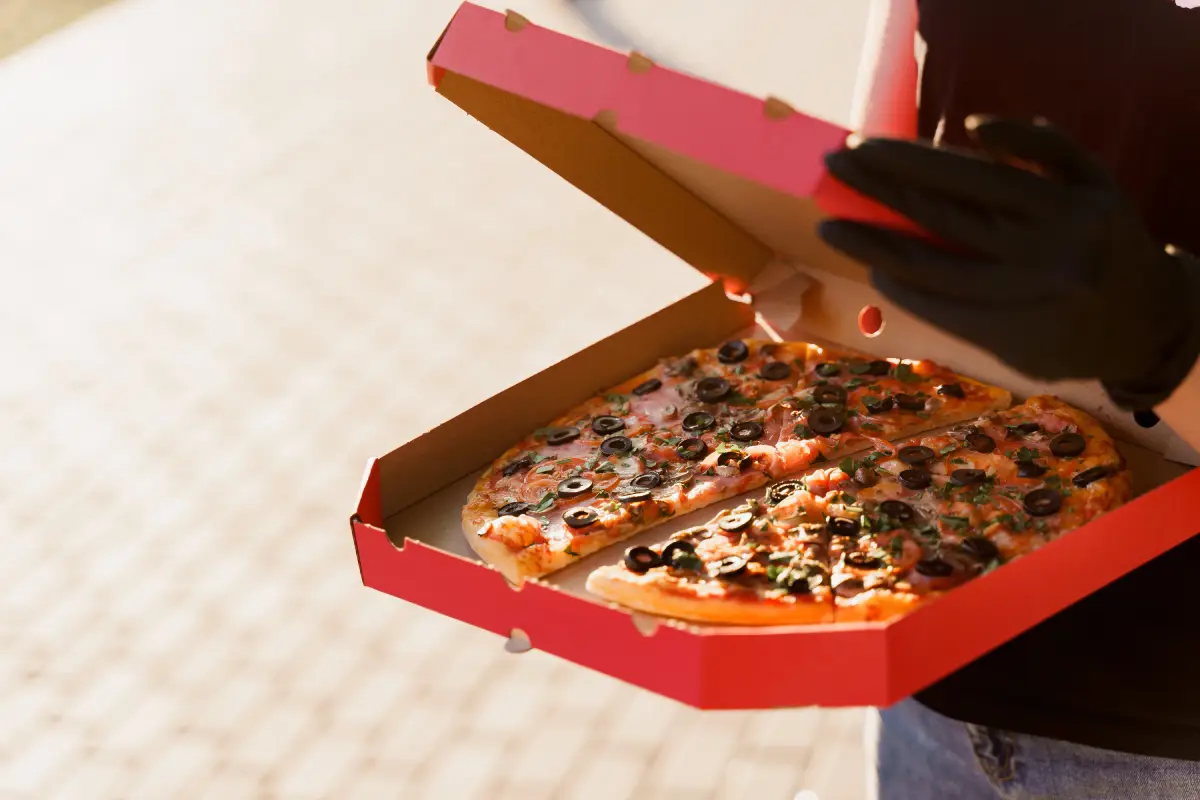
Singapore’s food scene has always been fast-moving, but delivery platforms accelerated this pace significantly. Ordering food is now integrated into daily routines, from weeknight dinners to office lunches.
This shift has influenced how restaurants operate and how customers decide where to order pizza. Speed, visibility on apps, and promotional pricing often dominate decision-making. However, these factors do not always align with long-term satisfaction.
While delivery-first models prioritise reach, they sometimes sacrifice depth. This is where local pizza restaurants continue to play an important role.
What Defines a Local Pizza Restaurant Today
A local pizza restaurant is not simply one with a physical address. It is defined by how it operates, how it engages with customers, and how it approaches its menu.
Local restaurants typically focus on a smaller range of offerings, refining them over time rather than expanding endlessly. This focus allows for greater control over quality and consistency.
Local Focus Versus Platform Scale
Large delivery platforms are designed for scale. Local pizza restaurants are designed for repeat customers. This difference shapes everything from menu structure to preparation methods.
Local kitchens often:
- Maintain tighter quality control
- Adjust recipes based on feedback
- Prioritise consistency over novelty
These qualities are less visible on delivery apps but become apparent over repeated orders.
Why Quality Feels Different When You Order Local
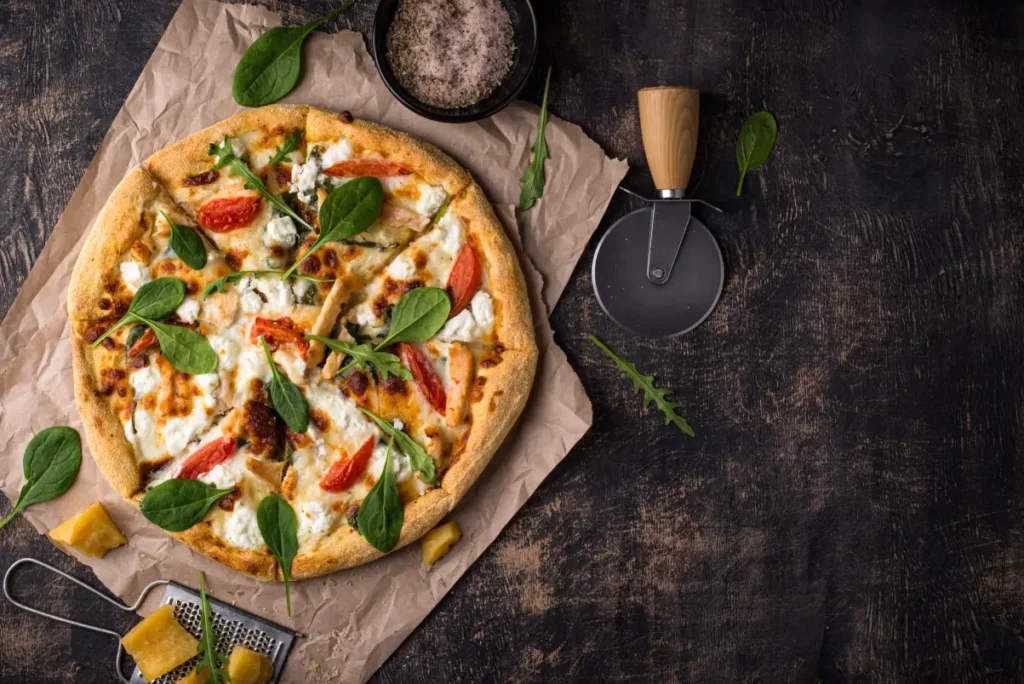
Many people struggle to articulate why pizza from a local restaurant often feels different, even when ordering through the same delivery platform. The difference lies in process rather than presentation.
Ingredient Handling and Preparation
Local pizza restaurants usually prepare food in smaller batches. This allows closer attention to dough handling, topping balance, and baking time.
Rather than relying on standardised processes across multiple locations, local kitchens refine techniques within one team and one space.
Consistency Over Time
For customers who order pizza regularly, consistency matters more than novelty. Local pizza restaurants build trust by delivering the same quality repeatedly, not just once.
This consistency encourages customers to order pizza without second-guessing what will arrive.
Ordering Pizza as a Relationship, Not a Transaction
In a delivery-first world, ordering food often feels transactional. Choose, pay, receive. Local pizza restaurants operate differently, even within delivery systems.
Familiar Menus and Predictable Outcomes
Local pizza restaurants tend to maintain stable menus. Instead of rotating options constantly, they focus on pizzas that customers return to.
This familiarity reduces decision fatigue and builds confidence in ordering.
Accountability and Feedback Loops
When customers order pizza from a local restaurant, feedback has a clearer destination. Reviews, comments, and direct communication often lead to tangible changes.
This accountability encourages higher standards and responsiveness.
The Role of Local Pizza Restaurants in Community Dining
Pizza plays a unique role in bringing people together. Beyond convenience, it supports shared moments and familiar routines that matter to families and groups across Singapore.
Pizza as a Shared Meal Experience
Pizza has always been a communal food. Families, groups, and teams rely on it because it is easy to portion, simple to share, and suited to eating together without formality. Local pizza restaurants understand this social dynamic and design their offerings around how people actually gather and eat.
Serving Families and Groups Consistently
Local kitchens often structure their menus with sharing in mind. Portion sizes, topping balance, and pizza combinations are planned to work well for groups rather than individual orders.
This practical approach makes it easier for families and larger groups to order pizza confidently, knowing the meal will suit different appetites without unnecessary complexity.
Supporting Familiar Dining Rituals
Weekly pizza nights, casual gatherings, and repeat orders are part of many households’ routines. Over time, local pizza restaurants become woven into these moments, offering familiarity rather than novelty.
Instead of being a one-off convenience, they serve as a dependable option that people return to when shared meals matter most.
Convenience Does Not Have to Mean Compromise
In a delivery-first food culture, convenience is often positioned as something that comes at the expense of quality. Local pizza restaurants challenge this idea by designing their food and processes around both speed and consistency.
Rethinking Convenience in a Delivery-First World
Delivery platforms have shaped expectations around fast ordering and immediate results, but speed alone does not define a good experience. Local pizza restaurants recognise that convenience should also include reliability, predictable outcomes, and food that meets expectations when it arrives.
By focusing on repeat customers rather than one-time transactions, they align convenience with long-term satisfaction rather than short-term impulse.
Designing for Delivery Without Losing Quality
Local restaurants that prioritise delivery adjust recipes and packaging with care. They consider how pizzas travel, how steam affects crust texture, and how toppings settle during transit.
This attention helps preserve flavour and structure even when pizzas are delivered rather than served straight from the oven, ensuring the experience remains consistent regardless of format.
When Ordering Pizza Feels Intentional
Instead of scrolling endlessly through options, many customers prefer to order pizza from a trusted local restaurant. The decision becomes intentional rather than reactive, based on familiarity rather than promotions.
This sense of intention improves satisfaction and reduces disappointment, as customers know what they are ordering and why they chose it in the first place.
Comparing Local Pizza Restaurants and Delivery-First Brands
The table below highlights key differences customers often experience when ordering pizza.
Aspect | Local Pizza Restaurant | Delivery-First Brand |
Menu focus | Curated and refined | Broad and trend-driven |
Quality control | Centralised in one kitchen | Distributed across outlets |
Consistency | High over repeated orders | Can vary by location |
Customer feedback | Direct and actionable | Often indirect |
Dining experience | Familiar and reliable | Convenience-led |
This comparison explains why many customers continue to choose local pizza restaurants despite the abundance of delivery options.
Why Local Pizza Restaurants in Singapore Retain Loyalty
Singapore diners are discerning. They value efficiency, but they also value quality and reliability.
Local pizza restaurants retain loyalty because they align with these expectations.
Trust Built Over Time
Trust develops through repeated positive experiences. Local restaurants benefit from long-term relationships rather than one-off orders.
Customers know what to expect and feel confident when they order pizza again.
Identity in a Crowded Market
In a market saturated with options, identity matters. Local pizza restaurants develop a recognisable style and approach that sets them apart.
This identity makes ordering pizza feel personal rather than generic.
The Human Element Behind Local Kitchens
Behind every local pizza restaurant is a team that prepares, bakes, and packs each order. This human element influences quality in subtle but meaningful ways.
Pride in Craft
Local kitchens often take pride in their process. Dough preparation, topping balance, and baking are treated as skills rather than steps.
This pride translates into better outcomes over time.
Care in Execution
When volume is manageable, care remains possible. Local pizza restaurants can maintain attention to detail even during busy periods.
This care is difficult to replicate at scale.
Why Local Pizza Restaurants in Singapore Continue to Matter
Local pizza restaurants in Singapore remain relevant because they balance modern convenience with traditional values of consistency and care. They operate within delivery systems without losing their identity.
At Fernando’s Pizza, we continue to focus on what makes local pizza restaurants matter: clear menus, dependable quality, and food that fits naturally into everyday dining. Whether customers order pizza for a family meal or a casual gathering, we believe that local kitchens still have an important role in a delivery-first world.
Frequently Asked Questions
Are local pizza restaurants more expensive than delivery-first brands?
Not always. While pricing varies, local pizza restaurants often offer better value through portion size, ingredient quality, and consistency over time.
Does ordering pizza locally mean slower delivery?
Delivery times depend on location and demand, but many local restaurants optimise their processes specifically for delivery efficiency.
Why do local pizza menus change less often?
Stable menus allow local kitchens to refine recipes and maintain consistency rather than chasing short-term trends.
Is quality really noticeable when ordering pizza for delivery?
Yes. Ingredient balance, baking technique, and packaging all influence how pizza arrives, and local restaurants often manage these factors more carefully.
How can I identify a genuinely local pizza restaurant?
Look for a focused menu, consistent branding, and repeat customer reviews that mention reliability rather than promotions.